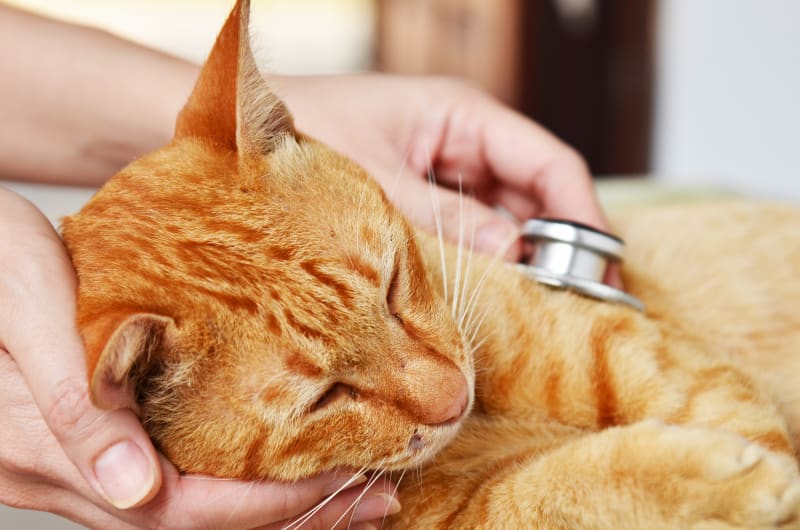
Why Senior Cat Care Matters
Cats are known for hiding discomfort and illness. Many senior cat conditions develop quietly over time, which means routine exams and lab testing can be especially important.
Senior cat care can help with:
- Early detection of health changes
- Weight and appetite monitoring
- Dental health evaluation
- Arthritis and mobility support
- Kidney and thyroid screening
- Diabetes monitoring
- Heart health evaluation
- Chronic condition management
- Pain management
- Nutrition recommendations
- Quality-of-life support
The goal is not only to help cats live longer, but to help them feel better as they age.
When Is a Cat Considered Senior?
Cats are often considered senior around age seven and older, though every cat ages differently. Some older cats remain active and playful, while others develop medical needs earlier.
Because changes can be subtle, senior cats may benefit from more regular checkups and lab screening. These visits allow our veterinarians to monitor trends over time and make recommendations before small concerns become more serious.
Common Health Concerns in Senior Cats
Older cats may be more likely to develop certain health conditions, including:
- Kidney disease
- Thyroid disease
- Diabetes
- Arthritis
- Dental disease
- Weight loss
- Heart disease
- High blood pressure
- Chronic vomiting or digestive issues
- Changes in appetite or thirst
- Cognitive or behavior changes
If you have noticed changes in your cat’s behavior, appetite, litter box habits, mobility, grooming, or energy level, a senior exam can help determine the next step.
Signs Your Senior Cat Should Be Seen
Senior cats may show very small signs when something is wrong. Please schedule an appointment if you notice:
- Weight loss
- Increased thirst or urination
- Decreased appetite
- Vomiting or diarrhea
- Bad breath or drooling
- Trouble jumping
- Stiffness or limping
- Hiding more often
- Increased vocalization
- Confusion or behavior changes
- Matted coat or reduced grooming
- Litter box changes
- Low energy
- Signs of pain or discomfort
Even if symptoms seem mild, they may point to a health issue that deserves attention.
Senior Cat Exams and Lab Testing
A senior cat exam gives our veterinarians a chance to evaluate your cat’s overall health and discuss any changes you have noticed at home. Lab testing may be recommended to check organ function, blood sugar, thyroid levels, hydration, and other internal health markers.
Senior cat care may include:
- Physical exam
- Weight and body condition assessment
- Dental evaluation
- Mobility and arthritis screening
- Bloodwork
- Urinalysis when appropriate
- Blood pressure screening when recommended
- Nutrition discussion
- Medication review
- Chronic condition monitoring
- Quality-of-life guidance
Lab results can help us identify trends and recommend care based on your cat’s specific needs.
Comfort, Mobility, and Pain Management
Many senior cats develop arthritis or discomfort, but they may not limp the way dogs often do. Instead, cats may stop jumping, move more slowly, avoid stairs, sleep in different areas, or seem less interested in play.
Our team can help evaluate whether pain or mobility changes may be affecting your cat. Recommendations may include medication, environmental adjustments, weight management, nutrition support, or other comfort-focused care based on your cat’s health.
Hospital and Mobile Senior Cat Care Options
Senior cat care is available at our Scottsdale animal hospital. In some cases, Phoenix Mobile Veterinarians may also be able to provide exams, bloodwork collection, quality-of-life consultations, or end-of-life support at home.
Hospital care may be recommended if your senior cat needs X-rays, dental care, advanced diagnostics, surgery, anesthesia, or closer medical monitoring. Our team can help you decide which setting is safest and most comfortable for your cat.
Schedule Senior Cat Care
If your cat is entering their senior years or you have noticed changes in their health or behavior, our team is here to help.
Scottsdale Animal Hospital & Phoenix Mobile Veterinarians provides senior cat care for families in Scottsdale, Phoenix, Paradise Valley, Fountain Hills, Mesa, Tempe, and surrounding areas.